A Practical Guide to Removing Mould From Outdoor Surfaces
Perth's Mediterranean climate is often associated with long, dry summers, but anyone with a shaded patio, a south-facing fence or a north-side retaining wall knows that mould and algae can still take hold. Cool, damp winters, morning dew, sprinkler overspray and shaded corners create ideal conditions for growth. This guide explains what you are dealing with, how to remove it safely, and how to stop it coming back.
Understanding Outdoor Mould in Perth
Outdoor mould is rarely a single organism. The dark, green, orange or black patches on your surfaces are usually a mix of mould, mildew, algae and lichen. Each behaves slightly differently, but all thrive on moisture, organic matter (such as dust, pollen and leaf litter) and limited sunlight.
Why It Happens Here
Perth receives most of its rainfall between May and September. During these months, surfaces that stay shaded can remain damp for days. Coastal suburbs also deal with salt-laden air and sea mist, while areas with reticulated gardens often see constant moisture on paths, walls and decking. Sandy soils splash onto lower walls and fences, adding the organic material that mould feeds on.
Surfaces Most at Risk
- Timber decking and pergolas: porous, hold moisture and often sit in shade.
- Concrete paths and driveways: rough texture traps spores and dirt.
- Limestone and brick walls: very common in Perth and highly absorbent.
- Pavers and tiles: mould collects in joints and on textured finishes.
- Colorbond fences and rendered walls: streaking develops on the shaded side.
- Outdoor furniture and cushions: stay damp under covers or beneath eaves.
Safety First Before You Start
Mould spores can irritate the lungs, eyes and skin, particularly for people with asthma, allergies or weakened immune systems. Wear waterproof gloves, safety glasses, a P2 respirator mask when scrubbing or spraying, and old clothes that cover your arms and legs. Work on a calm day so spray does not drift onto neighbours, pets or garden beds.

Never mix cleaning products. Combining bleach with vinegar, ammonia or acidic cleaners can release toxic gases. Use one product at a time and rinse thoroughly between treatments.
Choosing the Right Cleaning Method
White Vinegar
Undiluted white vinegar is a mild, low-toxicity option suitable for light mould on timber, furniture and some hard surfaces. Spray it on, leave it for about an hour, scrub with a stiff brush and rinse. It is less effective on heavy infestations and will not leave lasting protection.
Sodium Hypochlorite (Chlorine Bleach)
Diluted bleach is effective on non-porous or sealed hard surfaces such as concrete, pavers and tiles. A common mix is one part bleach to three or four parts water, but always follow the product label. Bleach can damage plants, discolour timber and corrode metal, so wet surrounding vegetation first and rinse well afterwards.
Oxygen Bleach (Sodium Percarbonate)
Oxygen-based cleaners are a gentler alternative that works well on decking, outdoor furniture and fabrics. Dissolve the powder in warm water, apply, let it fizz for 15 to 30 minutes, then scrub and rinse. They are generally kinder to surrounding plants than chlorine products, though runoff should still be kept off lawns and garden beds where possible.
Commercial Mould and Algae Removers
Products containing quaternary ammonium compounds or similar biocides are designed to kill mould and algae and often provide some residual protection. Many are applied and left to work without scrubbing. Check that the product is suitable for your surface and follow dilution and safety instructions closely.
Pressure Washing
Pressure washing is fast on large areas of concrete, pavers and driveways, but it needs care. Excessive pressure can etch concrete, blast the sand from limestone, splinter timber and push water behind cladding. For most home use, a pressure of around 1,500 to 2,000 PSI with a wide fan tip is enough for hard surfaces, and considerably less for timber. Keep the nozzle moving and hold it at a consistent distance. A soft-wash approach, applying a cleaning solution at low pressure and letting it do the work, is often better for delicate surfaces, render and painted finishes.
Step-by-Step: Removing Mould From Outdoor Surfaces
- Clear the area. Remove furniture, pot plants, mats and debris, and sweep away loose dirt and leaves.
- Protect surroundings. Wet nearby plants and lawn, and cover delicate items or sensitive garden beds if using bleach or commercial products.
- Test a small area. Apply your chosen cleaner to an inconspicuous patch to check for discolouration or damage.
- Apply the cleaner. Use a garden sprayer or soft broom to coat the surface evenly, working from the bottom upwards on vertical surfaces to avoid streaking.
- Allow dwell time. Leave the product to work for the time specified, usually 10 to 30 minutes. Do not let it dry on the surface.
- Scrub stubborn areas. Use a stiff nylon brush. Avoid wire brushes on timber, which can leave rust marks and damage the grain.
- Rinse thoroughly. Wash the area with clean water, working from the top down, and direct runoff away from garden beds and stormwater drains where possible.
- Let it dry completely. Allow the surface to dry before sealing, painting or returning furniture.
Tips for Specific Surfaces
Timber Decking
Use oxygen bleach or a decking-specific cleaner and scrub along the grain. Avoid high pressure, which can raise fibres and leave the surface fuzzy. Once dry, reapply a quality decking oil or sealer, as bare timber absorbs moisture and re-colonises quickly.
Concrete and Pavers
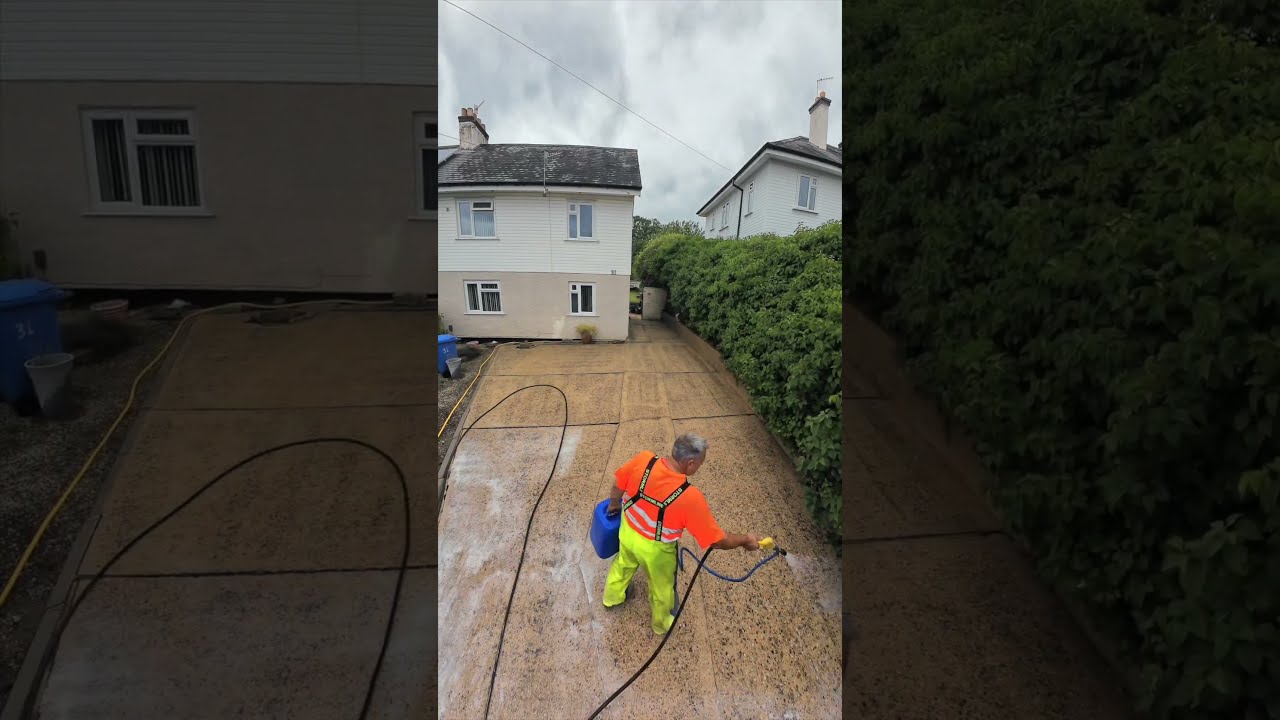
These are the most forgiving surfaces. Apply a diluted bleach or commercial algae treatment, scrub, then pressure wash. Pay attention to paver joints, where mould tends to return first. Re-sanding the joints with polymeric sand can help reduce moisture retention.
Limestone and Brick
Limestone is sensitive to acidic products, so avoid vinegar and acid-based cleaners, which can etch the stone. Use a low-pressure soft wash with a mild alkaline or oxygen-based cleaner. Old or crumbling mortar should be handled gently or left to a professional.
Rendered and Painted Walls
Use a soft brush or low-pressure wash with a mould-specific cleaner. High pressure can strip paint and force water into cracks. If mould returns quickly, consider repainting with a paint containing a mould-resistant additive.
Colorbond Fences and Metal
Wash with warm water and a mild detergent using a soft cloth or sponge. Avoid abrasive pads and strong solvents, which can damage the coating. Harsh chemicals are rarely necessary on these surfaces.
Outdoor Furniture and Fabrics
Check the manufacturer's care instructions first. Most plastic, aluminium and resin furniture can be cleaned with warm soapy water or oxygen bleach. Fabric cushions should be brushed, washed according to their label and dried fully in the sun before storage.
Preventing Mould From Returning
Removal is only half the job. Without addressing the conditions that caused growth, mould will usually return within months. The following habits make a real difference:
- Improve sunlight and airflow: trim overhanging branches, thin dense shrubs and keep plants off walls and fences.
- Fix drainage problems: repair leaking taps, downpipes and gutters, and ensure paths slope away from walls.
- Adjust sprinklers: keep reticulation spray off fences, walls and timber. Watering early in the morning allows surfaces to dry during the day.
- Sweep regularly: removing leaves, dust and organic debris takes away the food source.
- Seal porous surfaces: timber, pavers, concrete and limestone benefit from a quality penetrating sealer, reapplied as recommended.
- Apply a maintenance treatment: a light spray of a mould inhibitor in autumn, before the wet season begins, can slow regrowth.
- Raise furniture and planters: use feet or spacers so moisture does not pool underneath.
Environmental Considerations
Perth households are increasingly mindful of water use and the impact of cleaning chemicals on gardens, groundwater and the Swan and Canning river systems. Where possible, wash on lawn or gravel areas that can absorb runoff rather than letting it flow into stormwater drains, which often discharge directly to waterways. Choose biodegradable or low-toxicity products when practical, use only the amount needed and check local council guidelines on wastewater from pressure cleaning, particularly for larger jobs or commercial properties.
When to Call a Professional
DIY methods suit small to moderate areas, but professional help is worth considering when:
- Mould covers large areas, roofs or multi-storey walls that are unsafe to reach.
- The surface is delicate, historic or expensive to repair, such as old limestone or heritage render.
- Mould keeps returning despite repeated cleaning.
- Growth is near windows, doors or eaves and may be linked to a moisture problem inside the building.
- Household members have respiratory conditions or other health concerns.
Professional cleaners use commercial-grade https://gregoryvvje608.inkharbory.com/posts/best-times-of-year-to-pressure-clean-your-home-in-perth equipment, soft-wash systems and targeted treatments, and can often identify underlying causes such as poor drainage or blocked gutters. When choosing a provider, ask about their methods, insurance and how they manage runoff.
Final Thoughts
Removing mould from outdoor surfaces is mostly about matching the right method to the right material, working safely and addressing the moisture that allows growth in the first place. A seasonal routine of inspecting shaded areas, cleaning early and sealing vulnerable surfaces will keep your Perth home looking fresh and help protect timber, paving and walls for years to come.
House Washing Perth
(08) 7828 5551